Uganda Part 4
Safari has a way of lulling you into confidence—until your camera lens decides, in the middle of nowhere, that this is the perfect time to fall to pieces.
It began modestly with a slight wobble, then a loose piece, then another, until the whole lens seemed committed to a full public breakdown in the heat. We pulled over for an emergency repair while I clung to a flicker of cellphone signal, desperately consulting the internet as if it were a qualified field mechanic.
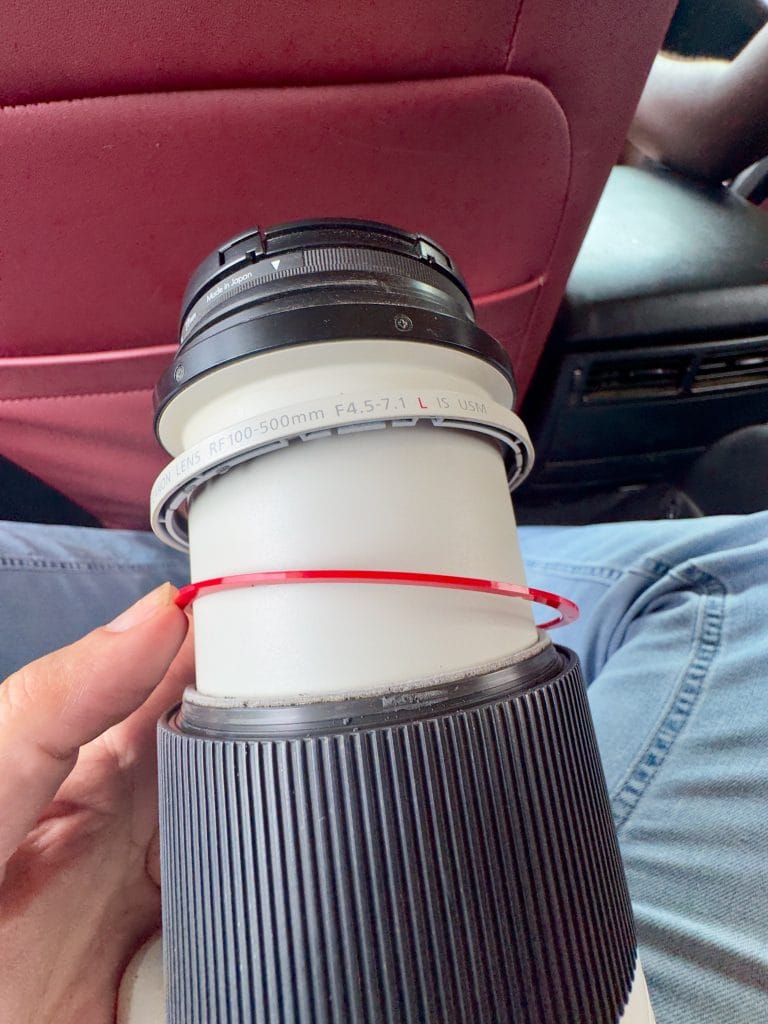
Mercifully, it was not a terminal diagnosis. A few clips had simply worked themselves loose, and with a little help from AI—yes, really, and for once it was genuinely useful—I managed to snap everything back into place just as the vehicle came to a very sudden stop.
I popped my head through the roof with camera in hand, fully expecting wildlife. Instead, I found the real source of the commotion.
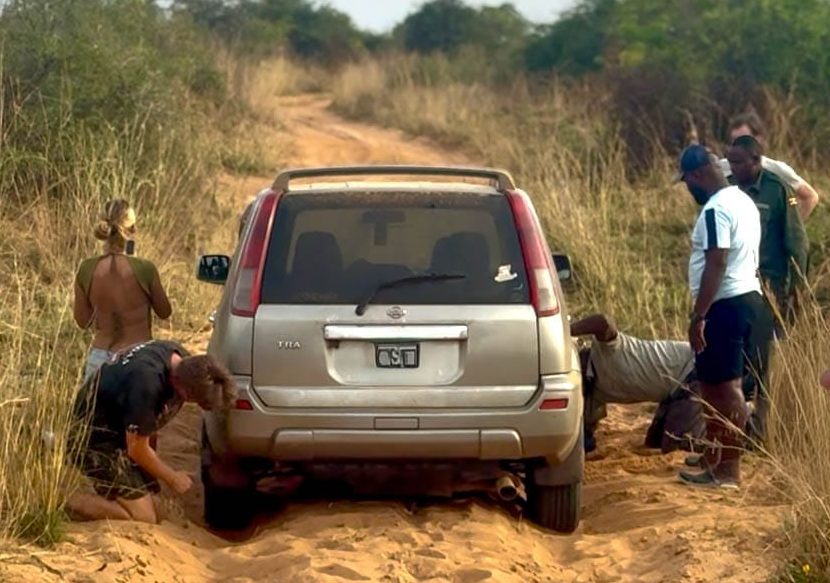
A pair of British tourists on a self-drive safari, in a vehicle very clearly not built for deep river sand, were magnificently stuck in the middle of the park.
They deserved full marks for enthusiasm, but those points were quickly lost when they tried to drive themselves out, digging the tyres deeper with every determined rev. By the time they stopped, they had created a hole so dramatic it looked less like a mistake and more like a new geographical landmark.
After a round of good-natured banter, the guides and several members of our group jumped in to help. There was digging, pushing, laughing, plenty of unsolicited advice, and eventually the vehicle lurched free. Crisis over. Pride slightly dented. Video evidence, of course, saved for posterity.
In the end, the lens threatening to fall apart and the vehicle disappearing into the sand became part of the same lesson: safari rarely sticks to the script. Sometimes the most memorable moments are not the sightings you expected, but the small disasters you survive and laugh about afterwards.